1,000+
Applications prioritized through a major identity and access transformation.
 PATRICK SAYE MENIBOONMBA THE HUMAN CALIBRATORGET IN TOUCH
 Two-Time Reluctant Valedictorian · Award-Winning Speaker · The Human Calibrator
Patrick Saye Meniboon is an AI Strategy Advisor, enterprise transformation leader, speaker, author, and The Human Calibrator.
Across systems, organizations, people, and now AI, his work has centered on one question:
What is actually carrying the result?
Get in Touch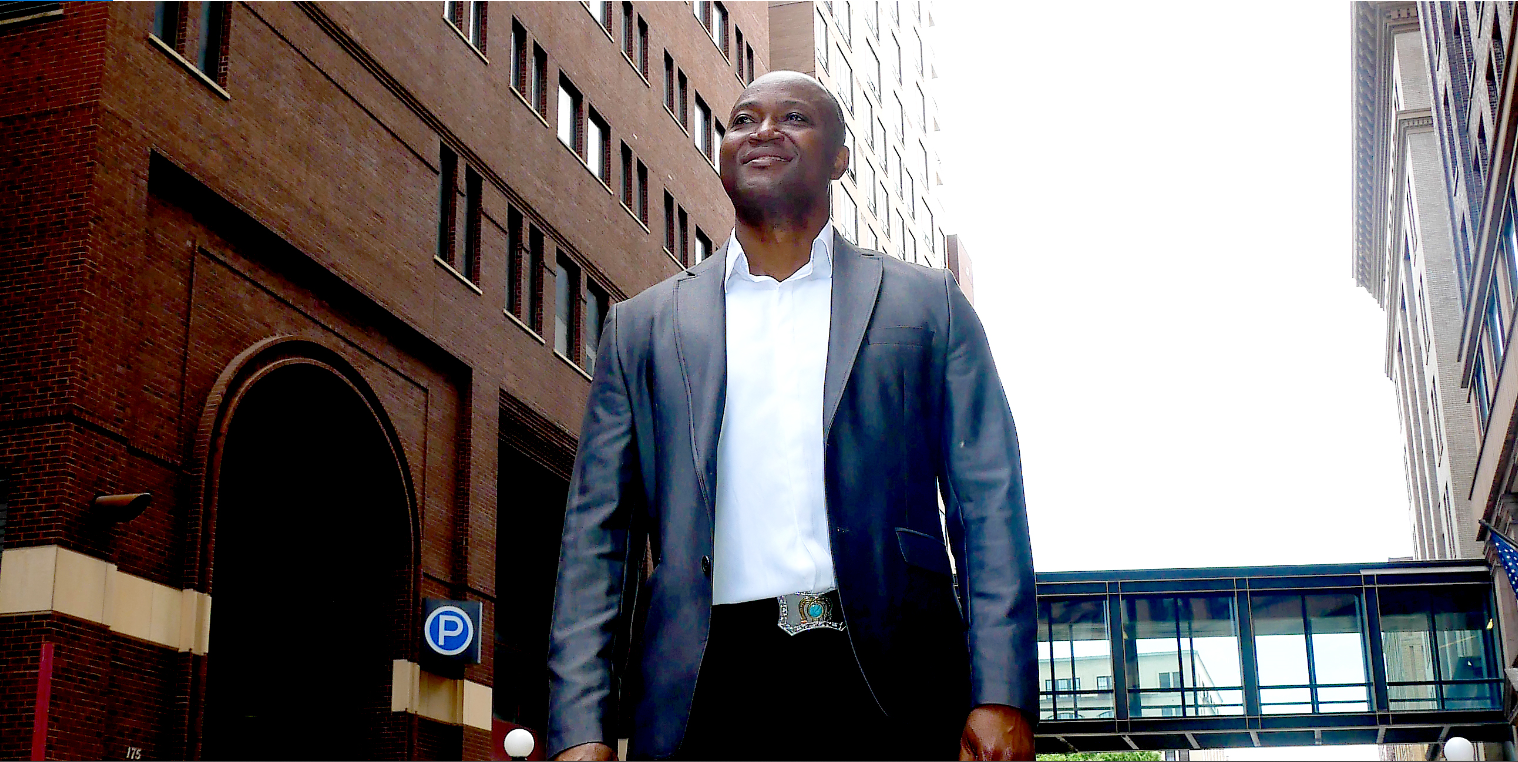
Patrick became a valedictorian twice. The achievement should have made public recognition feel natural. It did not.
He was academically successful and deeply uncomfortable speaking in front of people.
The achievement was real. So was the reluctance.Patrick grew up learning that what appears obvious from the outside often leaves out the conditions, experiences, incentives, fears, systems, and history shaping the result underneath.
What you see on the surface rarely tells you everything that is shaping the response underneath it.Years after resisting public speaking due to insecurities around a lifelong stutter, Patrick entered competitive speaking almost reluctantly. In 2015, he advanced through competition after competition and ultimately became Toastmasters District 6 International Speech Contest finalist, one more win from the World Championship of Public Speaking semifinals. One more win from being 1 of 96 out of 30,000 contestants globally to advance to that level that year.
For someone who once tried to avoid speaking at all, winning was meaningful. But the more important question was not “How did he become a better speaker?”
What changed underneath the visible performance?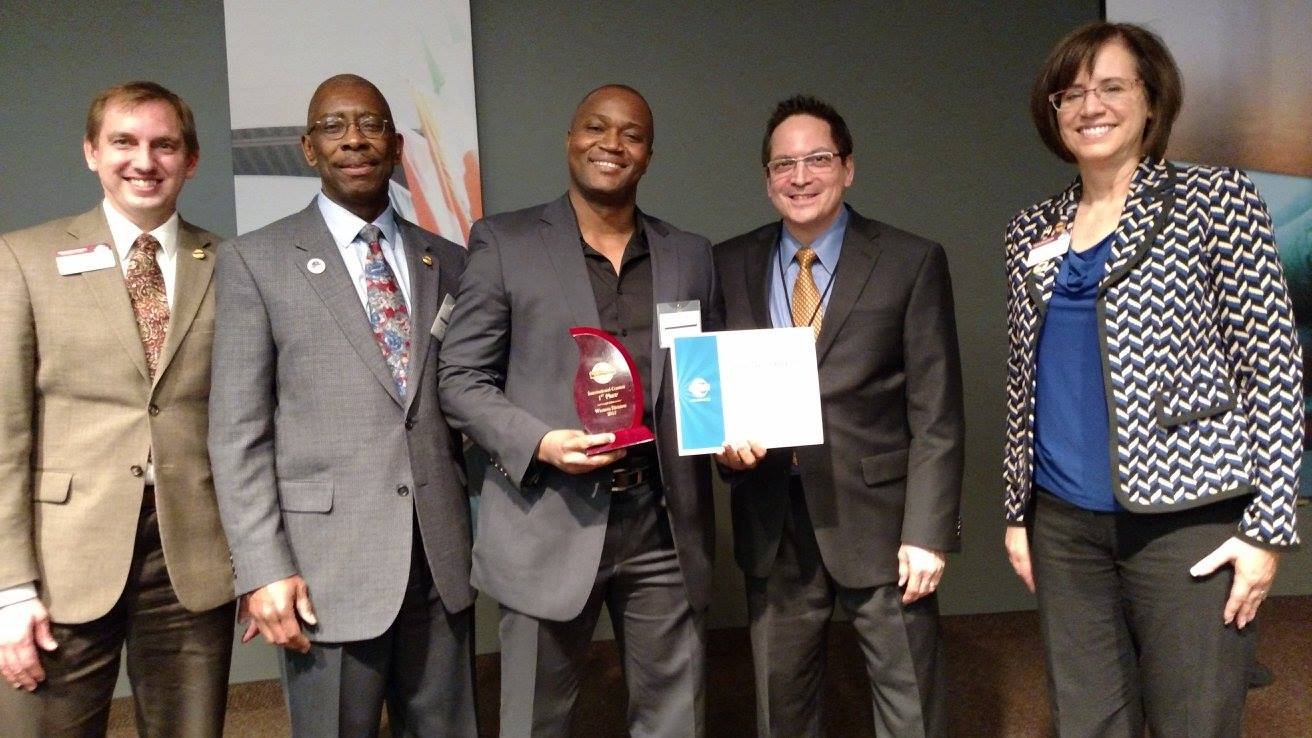
The visible result was better speaking. But better speaking was not caused by one technique, one script, or one moment of confidence.
It emerged from changes in perception, preparation, identity, environment, feedback, repetition, judgment, and how Patrick understood the task itself.
That question became bigger than speaking.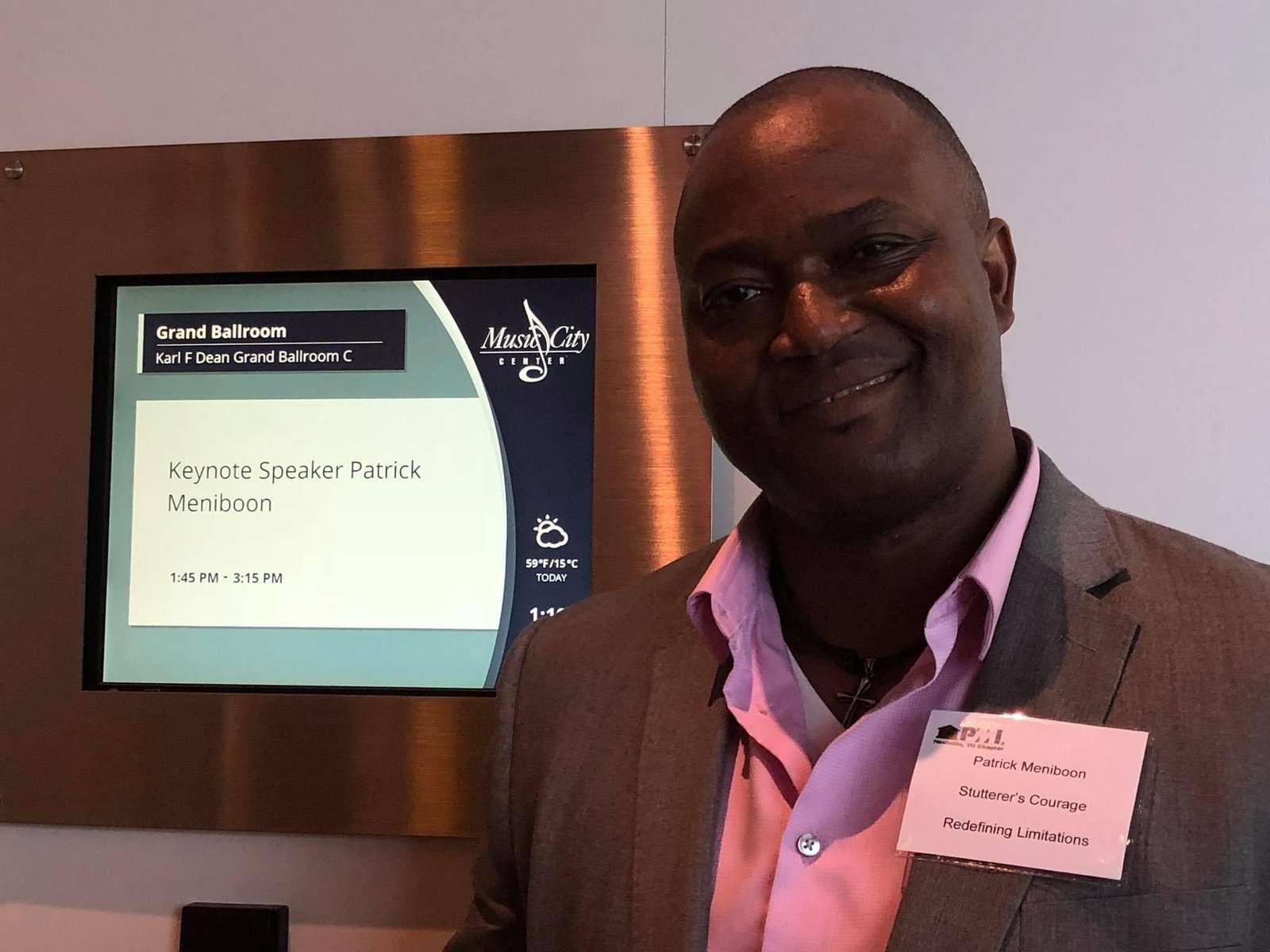
The environments changed. The diagnostic question did not.
The scope expanded.
The diagnostic question stayed the same.
Different environments. Same question: What is actually carrying the result?
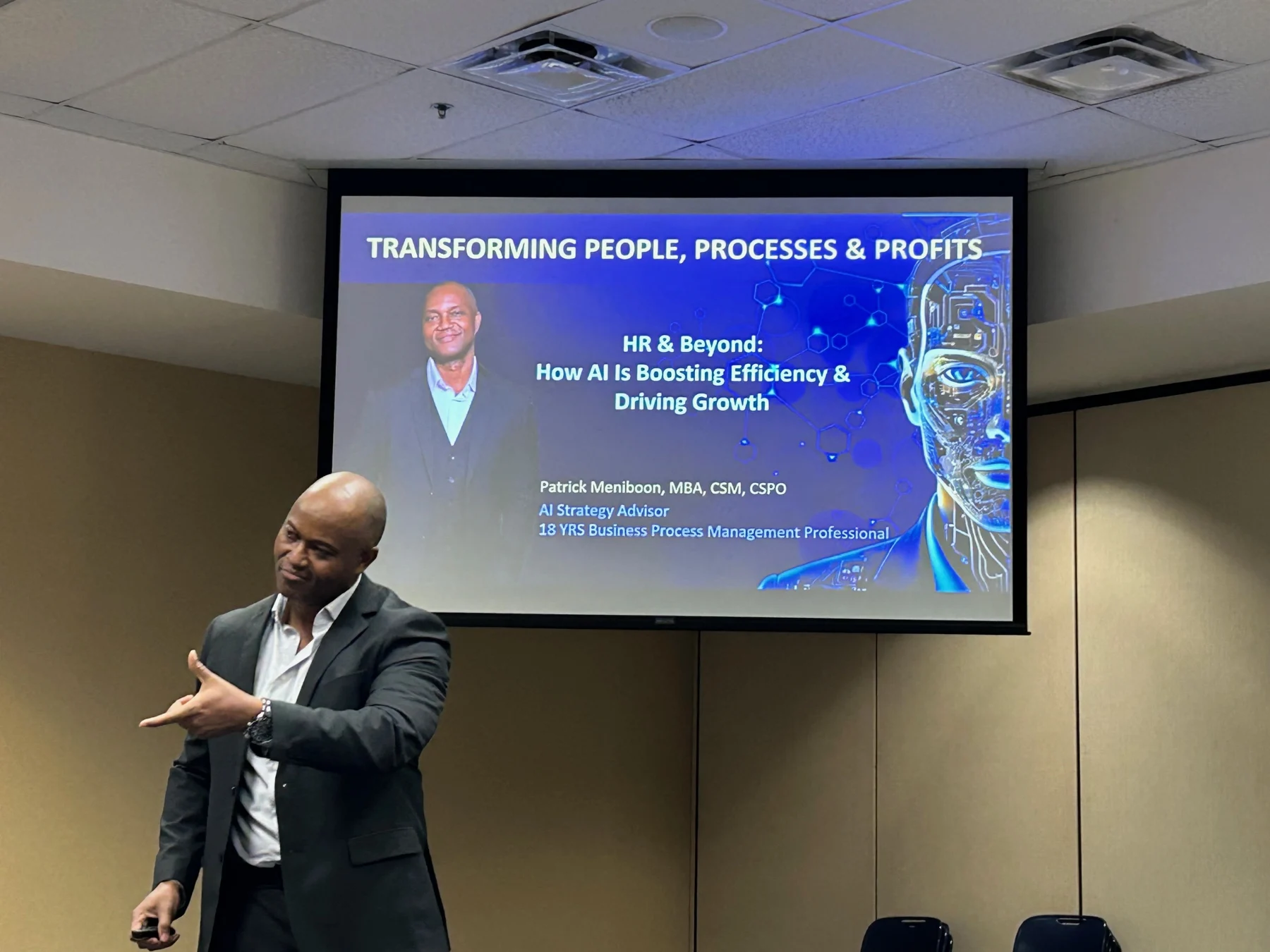
For more than 18 years, Patrick has worked inside complex enterprise environments spanning technology, business process, cybersecurity, operational risk, governance, transformation, AI adoption, and organizational change.
The work repeatedly required him to move between executives, business teams, technologists, risk leaders, process owners, and end users, often when each group saw a different version of the same problem.
Applications prioritized through a major identity and access transformation.
Members in a cross-functional Center of Excellence grown from an initial three-person effort.
Analysts and leaders supported through an enterprise AI Center of Excellence across the U.S., Europe, and India.
Reported sustained productivity gains from enterprise AI adoption work.

Human Calibration is the discipline of finding what is actually shaping a result before deciding what to change.
Patrick applies that discipline to people, teams, processes, systems, decisions, organizations, and AI.
Sometimes the visible problem is the real problem.
Often it is not.
AI makes it possible to change work faster and delegate more activity to technology than organizations could before. That makes diagnosis more important.
If the workflow is wrong, AI can accelerate the wrong workflow.
If decision rights are unclear, AI can amplify ambiguity.
If the data is poor, AI can scale poor information.
If people are not ready, another tool will not solve the adoption problem.
That is why Patrick’s AI work begins with the business problem, the work, the people, the decisions, and the operating conditions.
Explore AI StrategyPatrick’s work may look different depending on the context, but the underlying discipline remains the same: find what is actually shaping the outcome before deciding what to change.
Helping leadership decide where AI belongs, what must be ready, and how people remain responsible for the outcome.
Finding what is actually shaping performance, behavior, decisions, and change.
Bringing the ideas into leadership rooms, conferences, and transformation conversations.
Exploring the ideas more deeply through writing, interviews, and long-form conversations.
I believe people deserve more than prescriptions based on visible symptoms.
I believe technology should support human judgment, not replace responsibility.
I believe complicated problems become more manageable when we identify what is actually carrying the result.
And I believe the best intervention is often smaller, simpler, and more human than we first assume.
Solve the right problem.For conferences, executive gatherings, and leadership audiences.
For organizations working through complex change, AI adoption, operating-model, or performance questions.
For teams that need practical facilitated work, not another keynote alone.
For leaders deciding where AI belongs, what must change, and how to keep humans accountable.
If this way of looking at problems belongs in your room, start with the problem you can see.
Get in Touch